Emergency communications or EmComm for short is the area of the amateur radio hobby that involves helping our communities in time of crisis and emergencies. There are many fields that radio operators help in such as SkyWarn storm spotter program, Amateur Radio Emergency Service (A.R.E.S.), Radio Amateur Civil Emergency Service (R.A.C.E.S.), AuxComm, and Red Cross.
Currently Gratiot County Amateur Radio Association is working hard to re-establish a strong EmComm team with the help of many other organizations, if you would like to get involved, please email Allen Burk
- Weather Net May 18, 2026
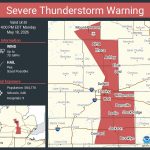 Weather Net Summary KC8MUV Repeater 145.3700 MHz, Alma, MI May 18, 2026 3:15 pm EST Net Control: KF8FKN Luke Alert Type: Severe… Read more: Weather Net May 18, 2026
Severe Weather and Weather Nets; What you need to know.
SkyWarn classes or online training is recommended but not required to participate. For the online training, you can click the link above. Gratiot County Amateur Radio Association and also sometimes Gratiot County Emergency Management will activate SkyWarn weather spotters and available radio operators to conduct radio nets to relay information to the National Weather Service and Gratiot County Emergency Management in severe weather during watches and warnings.
How to participate as a radio operator:
The primary repeater for SkyWarn Nets in Gratiot County is KC8MUV Alma on 145.370 MHz, Secondary repeater is KD8IEK Ithaca on 147.150 MHz, and the fall back frequency is simplex frequency 146.440 MHz. You can also use the EchoLink app on your phone if your radio will not reach the KC8MUV repeater. The EchoLink node is 920163.
Weather nets are a controlled by a Net Control Operator and follow a strict script for check-ins, schedule of update reports, and require all operators to check-out when they are leaving the net. The reasons for all of this, is so the Control Operator knows where all spotters are located and monitoring, can accurately relay correct information to all the proper organizations (ie. NWS, Emergency Management, Central Dispatch, etc.), and make sure all spotters are safe at the end of the net and be able to start emergency services and search & rescue if contact has been lost with a spotter.
How to help without a radio:
Weather can be reported online through some NWS offices, Gratiot County reports to NWS Grand Rapids, or through their 24 hour reporting phone number supplied at regional SkyWarn classes.
What can and should be reported:
ONLY REPORT WHAT YOU ACTUALLY SEE IN PERSON. Weather that should be reported in a weather net or to the National Weather Service include:
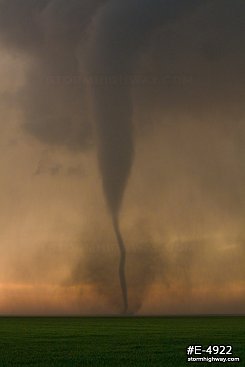
- Tornadoes. A tornado is rotation on the ground, you must visibly see it on the ground and picking up debris or it is just reported as a funnel cloud.
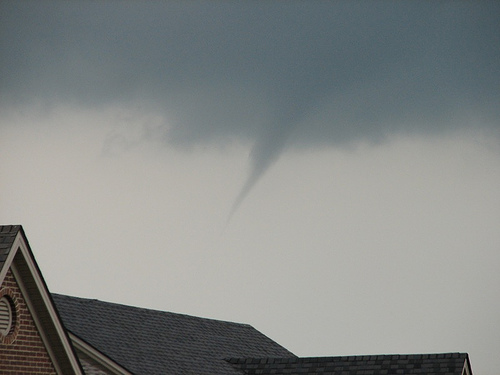
- Funnel Cloud. Rotation in the cloud and not on the ground picking up debris yet.
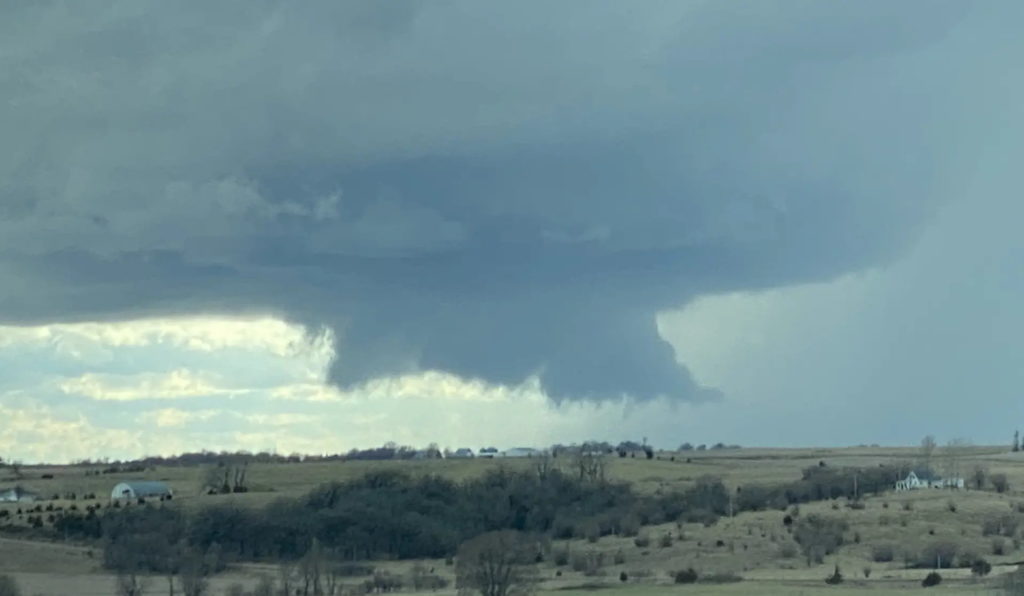
- Wall Cloud. A low hanging cloud visibly attached to the main storm cloud, usually with an updraft of air at the head of it. Wall cloud are usually where funnel clouds and tornadoes form.
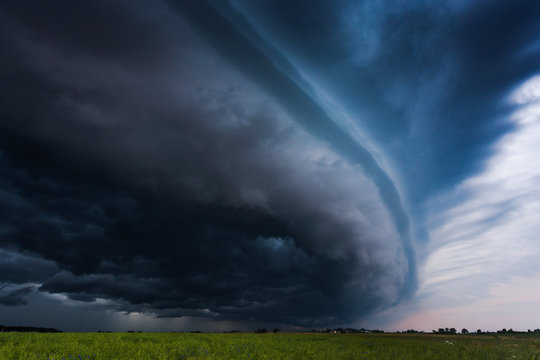
- Shelf Cloud. Usually a vary ominous looked cloud at the beginning of a storm and can produce hard straight line winds.
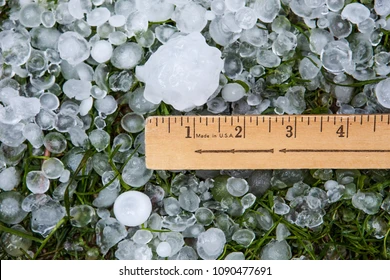
- Hail. Generally the NWS classifies 1″ (one inch) or larger as needing to be reported, but any size can be reported and you should report it if it causes damage or gets larger. It is good to take a picture of it with a coin or ruler to give a size reference.
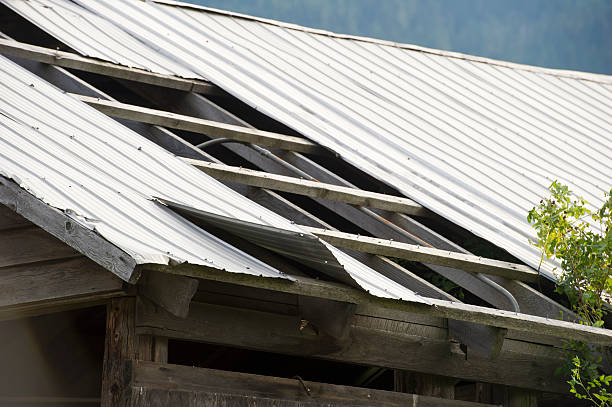
- Storm Damage. Report any visible storm damage that you witness. (ie. down trees, power lines/poles, broken windows, etc.
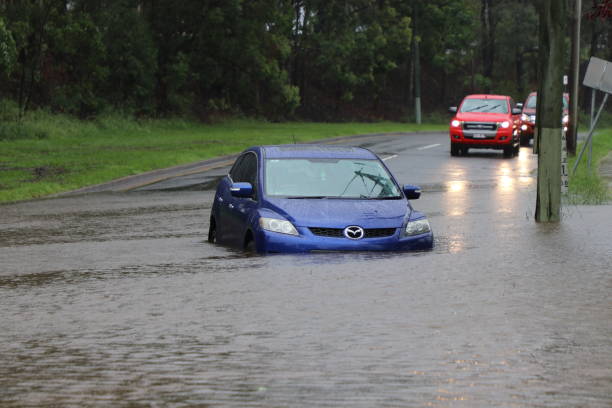
- Flooding. Rapidly rising water levels over river banks, roadways, or yards.
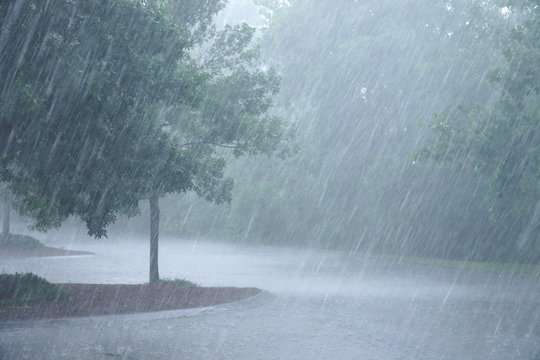
- Unusually Heavy Rain. Rain that is so heavy that it impairs sight, or floods roadways.
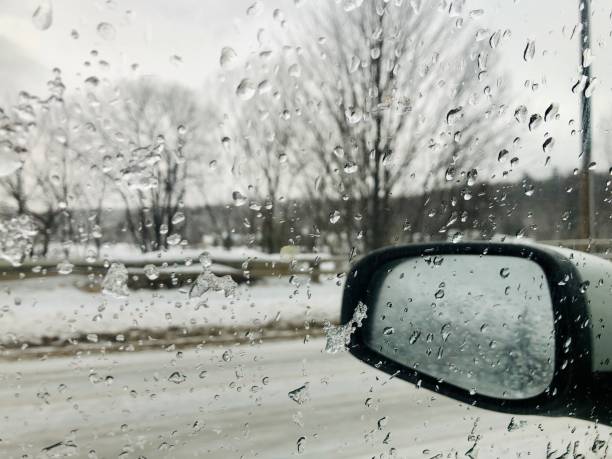
- Freezing Rain in the winter.
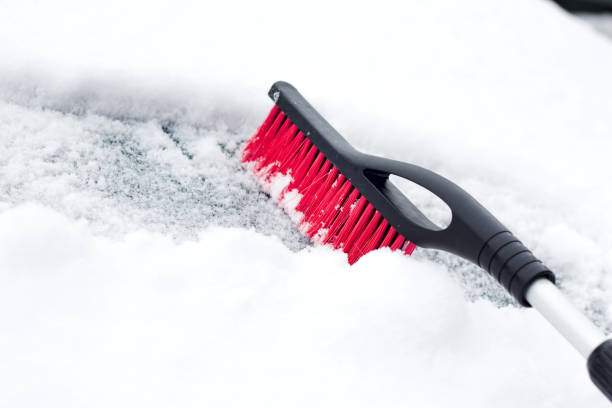
- Heavy Snow Fall Totals
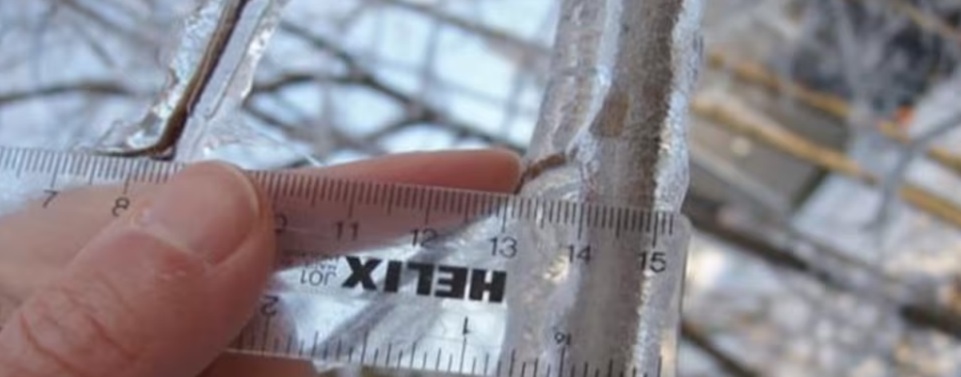
- Ice Accumulation Totals.
More Weather Spotter Resources: